
The Benefits of Tiny House Living During the UK Housing Crisis
With house prices, rents and everyday living costs putting increasing pressure on households across the UK, more people are exploring alternative ways to create an affordable, comfortable and sustainable home.
One option attracting growing interest is the Tiny House.
Tiny houses aren't a solution to every housing challenge, and planning and siting requirements still need careful consideration. However, they offer a very different approach to traditional housing — combining lower costs, smaller environmental footprints, flexibility and the possibility of living partially or even fully off-grid.
A More Affordable Route to Your Own Space
One of the biggest attractions of a Tiny House is cost.
A smaller home generally requires fewer materials to build, less space to furnish and potentially lower ongoing running costs than a conventional property.
For people struggling with the cost of buying a traditional home, a Tiny House can provide an alternative worth exploring.
The smaller scale of the project can also give self-builders greater control over where their money is spent, allowing them to invest in the features that matter most to them.
Lower Running Costs
A smaller space typically requires less energy to heat and light.
Good insulation, energy-efficient appliances and carefully designed heating systems can help keep energy consumption low while still creating a warm and comfortable home suitable for the UK climate.
The relatively small space also makes technologies such as solar power more practical, potentially reducing reliance on mains utilities and lowering ongoing living costs.
Designed for Off-Grid Living
One of the most exciting aspects of a Tiny House is how easily off-grid systems can be incorporated into the original design.
Solar panels and battery storage can provide electricity, while rainwater collection, water storage, filtration systems and alternative waste solutions can potentially reduce dependence on traditional utilities.
Because a Tiny House has a much smaller energy requirement than a conventional property, achieving a high level of energy independence can be more realistic.
For people looking to live more independently and reduce their reliance on mains electricity, water and other services, a purpose-designed off-grid Tiny House can offer an attractive approach.
A More Sustainable Way to Build
Tiny House living isn't only about reducing the size of your home. It also creates an opportunity to think differently about how that home is built.
A smaller structure naturally requires fewer building materials. Builders can take this further by choosing responsibly sourced, recycled, reclaimed and reusable materials wherever appropriate.
Reclaimed timber, recycled insulation, reused fixtures and fittings, recycled metal and repurposed furniture can all potentially become part of a Tiny House project.
Rather than automatically buying everything new, a Tiny House can be designed around the principle of reuse, recycle and repurpose.
This can reduce waste while also giving each build its own character.
A Smaller Environmental Footprint
The environmental benefits continue after the build is finished.
A smaller home requires less energy to heat, fewer resources to maintain and generally encourages more considered consumption.
Combine this with renewable electricity, effective insulation, efficient appliances and responsibly selected materials, and a Tiny House can be designed with a significantly reduced environmental impact in mind.
For environmentally conscious owners, the aim can be simple: use less space, consume fewer resources and produce less waste.
Make Better Use of Available Land
Tiny homes can potentially make use of spaces where constructing a conventional house may be impractical.
They can be particularly interesting for families with existing land who want additional accommodation, as well as farms, estates, rural businesses and glamping sites.
However, owning land doesn't automatically mean a Tiny House can be placed there and used as a permanent home. Planning permission and other requirements may apply, so these should always be checked with the relevant local authority before starting a project.
Flexibility and Mobility
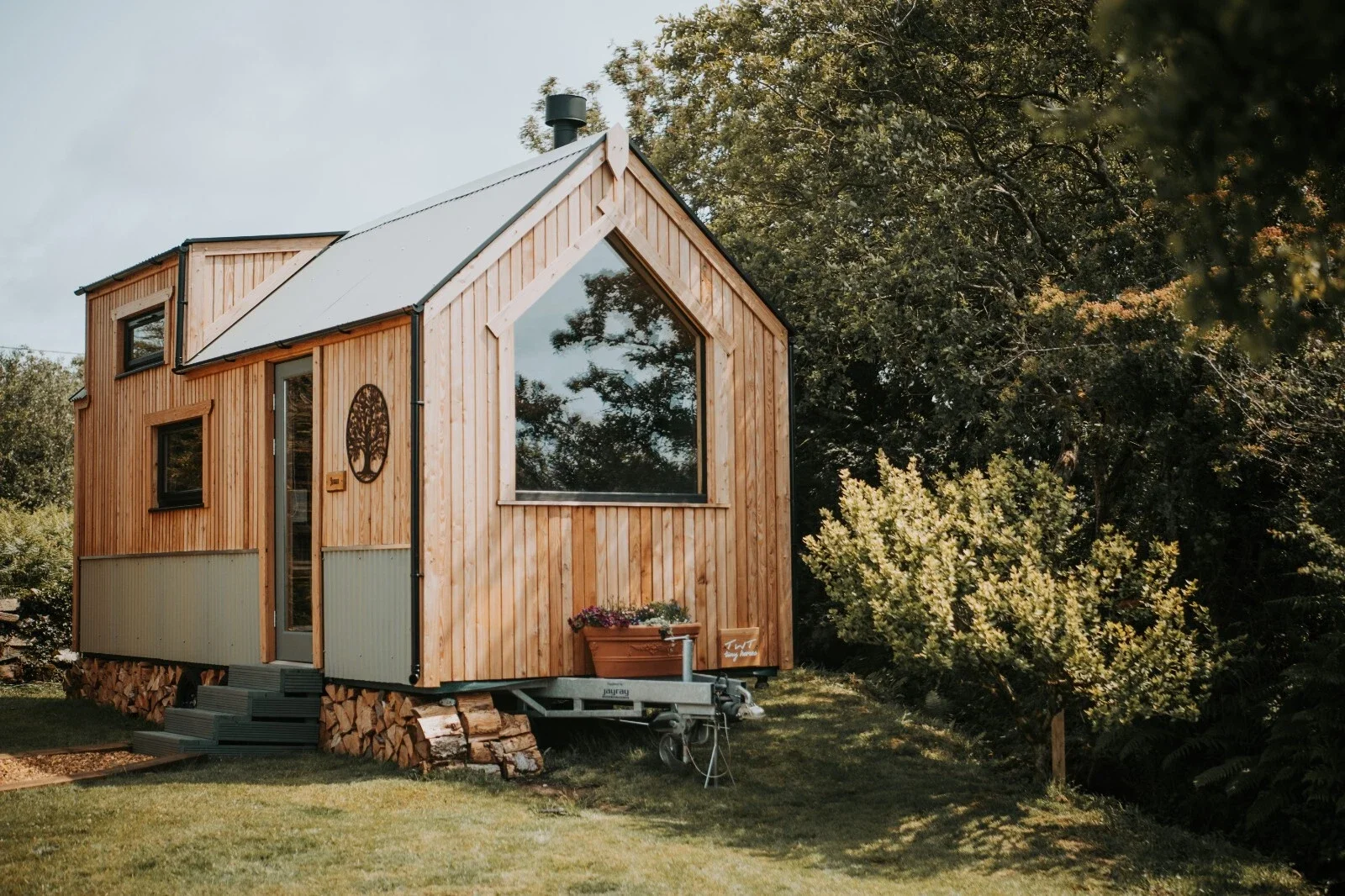
Building a Tiny House on a purpose-designed trailer adds another significant advantage: mobility.
Instead of constructing the building permanently on traditional foundations, a Tiny House on wheels can potentially be transported when required.
That flexibility can be valuable if circumstances change or the building is intended for alternative uses such as guest accommodation, glamping or a mobile workspace.
The finished Tiny House must still comply with the relevant weight, dimension, towing and road regulations whenever it is transported.
Less Space, More Thoughtful Living
Living in a Tiny House naturally encourages you to think carefully about what you actually need.
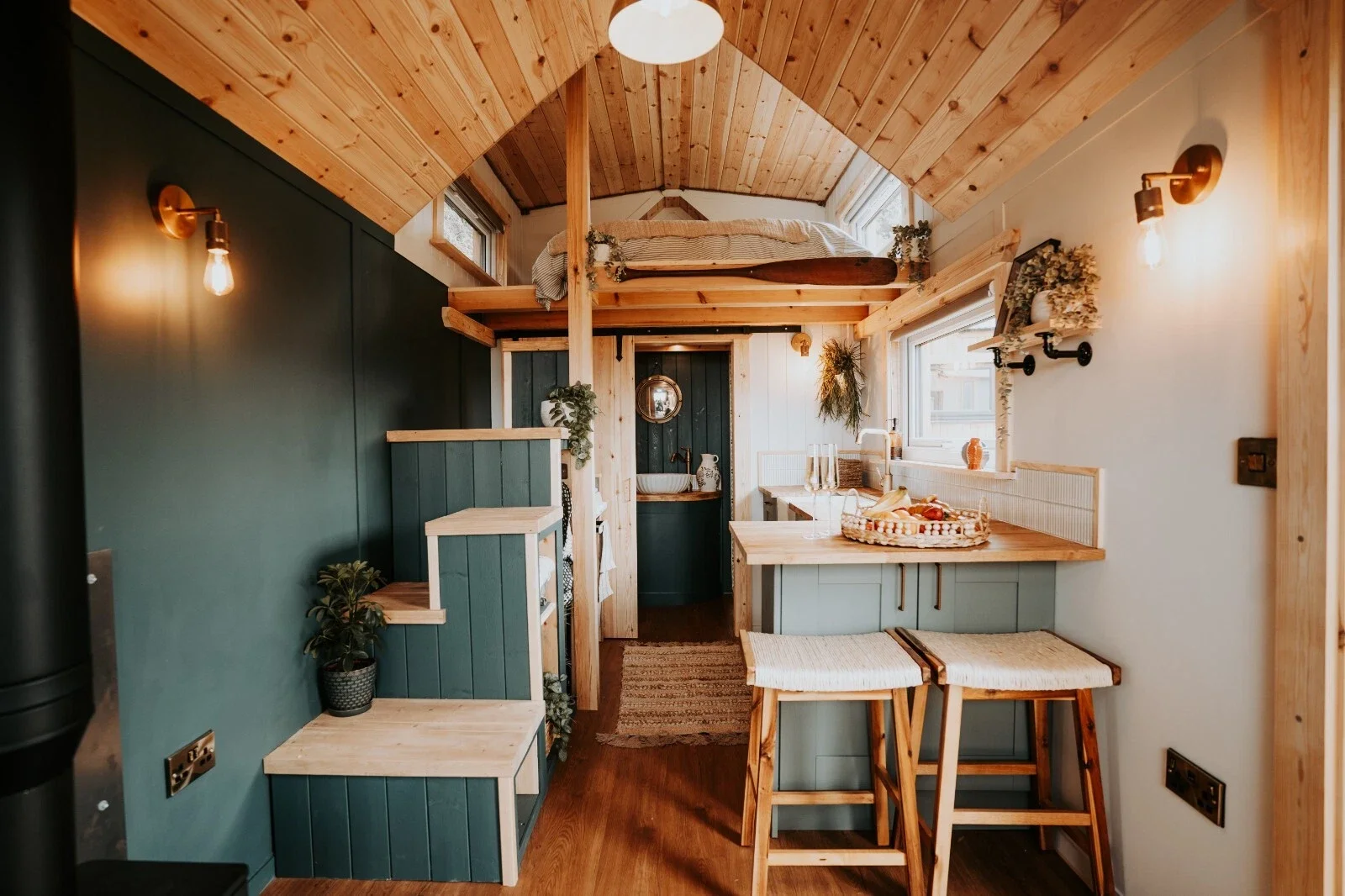
Clever storage, multifunctional furniture, mezzanine sleeping areas and compact kitchens can make surprisingly effective use of a small footprint.
For many people, the attraction isn't simply having a smaller house. It's creating a home specifically around the way they want to live — with fewer unnecessary possessions, lower running costs and potentially a closer connection with the environment around them.
Could Tiny Homes Be Part of the UK's Housing Future?
Tiny houses alone won't solve the UK's housing shortage. Land availability, planning policy, infrastructure and the supply of new homes are much broader challenges.
However, they demonstrate that comfortable housing doesn't necessarily have to mean a large property, large mortgage and high monthly running costs.
For some people, a smaller, efficient and potentially off-grid home could provide a very different route.
As the UK looks for more affordable, flexible and sustainable forms of accommodation, Tiny Houses could form one part of a much wider range of housing solutions.
Building a Tiny House Starts With the Right Foundation
If you're considering building a Tiny House on wheels, choosing the correct trailer is one of the most important decisions you'll make.
Yeti Trailer Co supplies purpose-built Tiny House trailers in a range of lengths and axle configurations, including low, platform and detachable options.